
NEWS
多文化コミュニケーション学科
サイクリング・プロフェッサー:Two Wheels Rolling 第1回 二つの車輪、一つの半島――野母崎を走る
- 2026.06.5
- 多文化コミュニケーション学科
Two Wheels, One Peninsula: Rediscovering 野母崎 (Nomozaki)
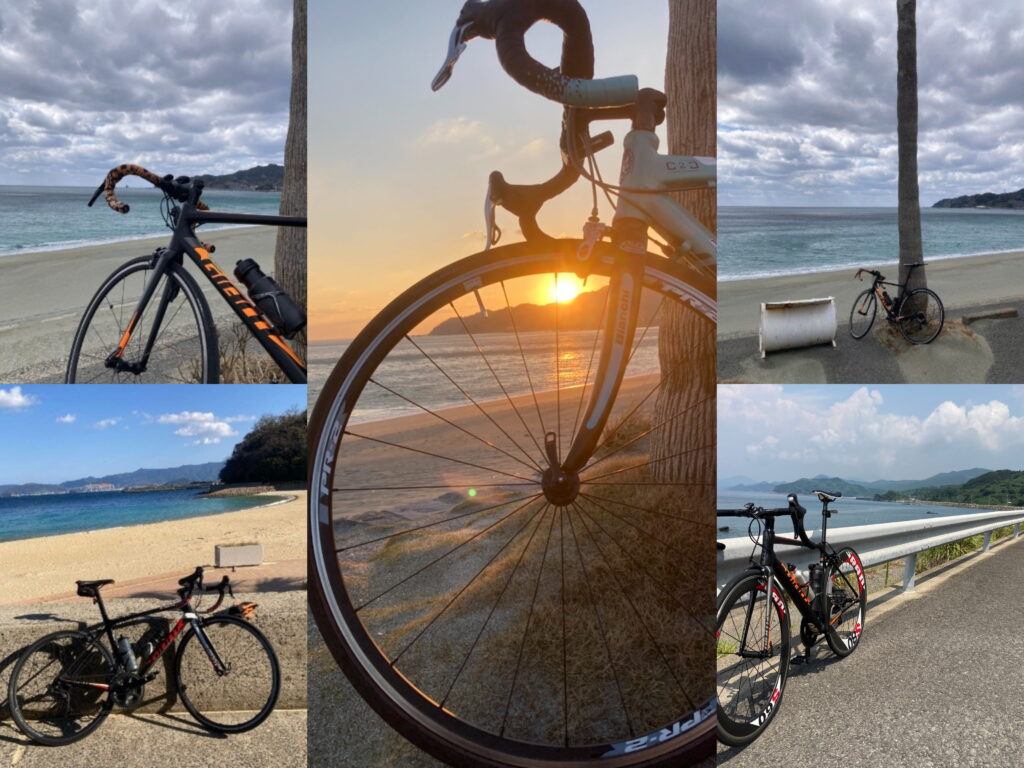
The road narrows as it leaves the city behind.
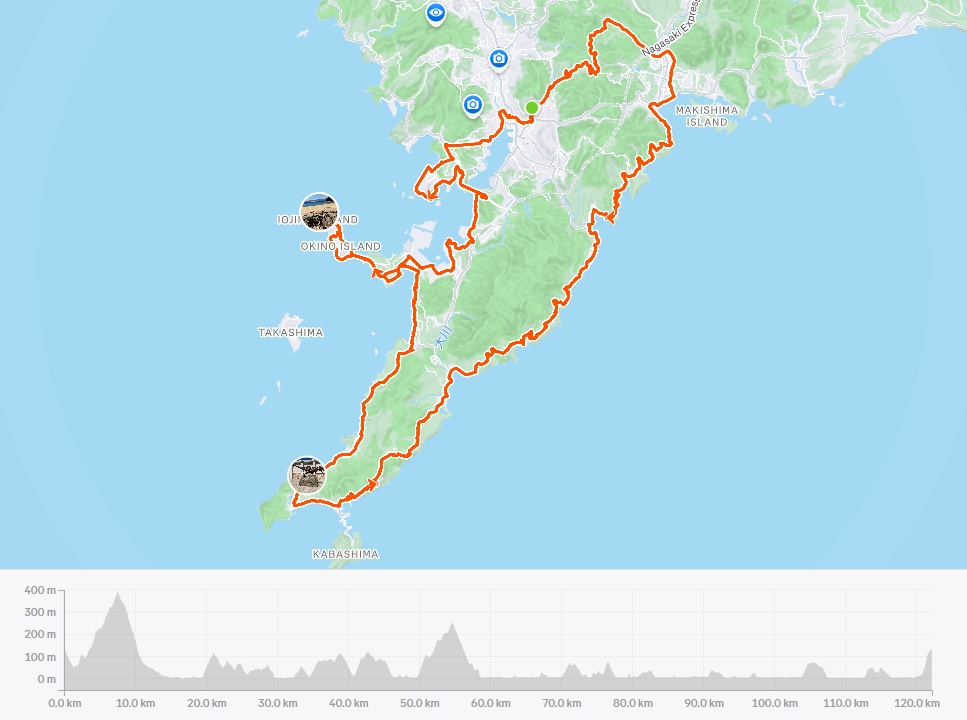
Apartment blocks give way to small houses, then to open stretches where the sea begins to appear—first in glimpses, then in full, uninterrupted blue. Cycling toward 野母崎 (Nomozaki), at the southern tip of Nagasaki, is not simply a change in scenery. It is a gradual shift in pace, in attention, and in perspective.
On two wheels, distance is measured differently. What might feel far by car becomes intimate by bicycle. The slope of the road, the direction of the wind, the rhythm of pedaling—these small details shape the journey. The body becomes aware of the landscape in a way that is difficult to replicate through any other mode of travel.
Nomozaki itself sits at the edge of the prefecture, facing the open sea. On clear days, the horizon seems endless. There is a quietness here that invites reflection. Fishing boats move slowly across the water. Waves break against the rocks in a steady, unhurried rhythm. It is a place that resists urgency.
As a university teacher, I often think about how learning mirrors this kind of journey. Progress is not always linear or fast. Like cycling, it involves effort, pauses, and moments of uncertainty. There are stretches where the road climbs and every pedal stroke requires intention. There are also moments of descent, where movement feels effortless and the view opens wide.
Riding through Nomozaki, I am reminded that understanding—whether of a place, a language, or another culture—takes time. It cannot be rushed. It is built gradually, through repeated exposure and careful attention to detail.
Cycling also creates opportunities for unexpected connection. A brief exchange at a roadside shop, a greeting from a passerby, or a shared acknowledgment between cyclists—these small interactions form part of the experience. In a region like Nagasaki, where history and culture are deeply layered, even a short conversation can open a window into a much larger story.
By the time I turn back toward the city, the light has shifted. The same road feels different in reverse, as if the landscape has quietly rearranged itself. Yet something else has changed as well: my own sense of the place.
Nomozaki is no longer just a point on a map. It has become a lived experience—felt through the legs, seen through changing light, and understood through time spent moving through it.
Two wheels, rolling forward, offer more than exercise or transportation. They offer a way of seeing.
And sometimes, at the edge of the sea, they offer a way of thinking.
第1回 二つの車輪、一つの半島――野母崎を走る
市街地を離れるにつれて、道は少しずつ細くなっていく。
建物が減り、やがて視界が開けると、海が見え始める。最初はわずかな隙間から、やがて全面に広がる青へ。長崎市の南端・野母崎へ向かうサイクリングは、単なる移動ではなく、風景だけでなく「時間の流れ」そのものが変わっていく体験でもある。
自転車での距離は、車とは違う感覚で測られる。坂の傾き、風向き、ペダルのリズム――そうした一つひとつの要素が、移動の質を決定づける。身体を通して風景を感じるこの感覚は、他の移動手段ではなかなか得られないものだ。
野母崎は、まさに「端」に位置する場所である。晴れた日には、水平線がどこまでも続いていくように見える。漁船がゆっくりと進み、波が規則正しく岩に打ち寄せる。その静けさは、訪れる者に思索の時間を与えてくれる。
大学で教える立場として、私はこうした時間に「学び」との共通点を見出すことがある。学びもまた、常に速く、直線的に進むものではない。自転車で坂を上るように、時には負荷がかかり、一歩一歩の積み重ねが求められる。一方で、視界が開け、自然と前に進める瞬間もある。
野母崎を走りながら感じるのは、理解とは時間をかけて育まれるものだということだ。場所であれ、言語であれ、文化であれ、真の理解は繰り返しの経験と、細部への注意によって少しずつ形づくられていく。
また、サイクリングは思いがけない出会いも生み出す。道沿いの店でのちょっとした会話、すれ違う人との挨拶、同じ道を走る者同士のささやかな連帯感。長崎のように歴史と文化が折り重なる地域では、そうした短い交流の中にも、多くの示唆が含まれている。
折り返し、再び市内へと向かう頃には、光の色が変わっている。同じ道であっても、往路とはどこか違って見える。それは風景だけでなく、自分自身の感じ方も変化しているからだろう。
野母崎は、もはや地図上の一点ではない。身体で走り、目で捉え、時間の中で理解した「経験」として記憶に残る場所となる。
二つの車輪は、ただ前へと進むためのものではない。
世界の見方を、少し変えるための手段でもある。