
NEWS
多文化コミュニケーション学科
サイクリング・プロフェッサー:Two Wheels Rolling 第2回 記憶の道を走る――島原
- 2026.07.5
- 多文化コミュニケーション学科

Riding the Memory Roads of 島原 (Shimabara)
The road to 島原 (Shimabara) carries more than distance—it carries memory.
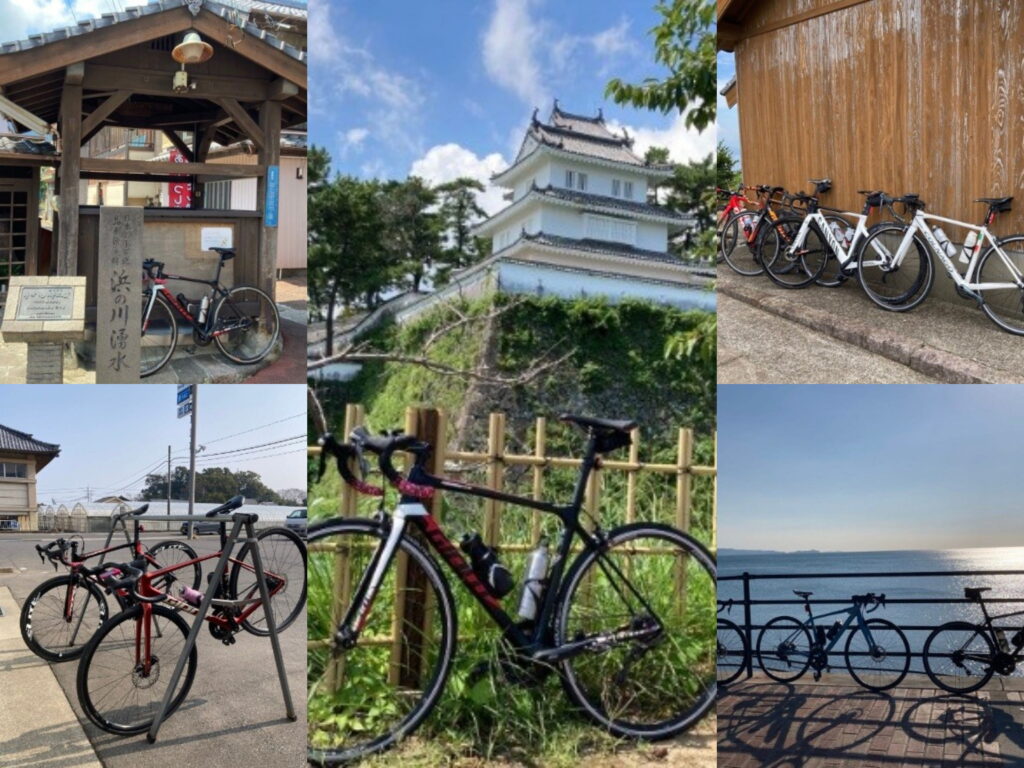
Cycling into the city, the landscape begins to shift in subtle ways. Stone walls appear along quiet streets. Channels of clear water run beside the road. In the distance, the presence of Mount Unzen rises gently but persistently, a reminder that this region has long been shaped by both human history and natural forces.
Shimabara is often associated with the Shimabara Rebellion, a moment in early modern Japan when tension, belief, and governance collided. While the events themselves belong to the past, their traces remain embedded in the physical and cultural landscape. To cycle here is not simply to pass through space, but to move across layers of time.
On a bicycle, these layers reveal themselves gradually. A preserved samurai residence, a quiet shrine, a narrow street that seems unchanged for generations—each element invites a pause. Unlike faster forms of travel, cycling allows for these interruptions. It encourages attention.
As I ride, I find myself thinking about how we engage with history in the classroom. Dates and events provide structure, but they can sometimes feel distant to students. Places like Shimabara offer a different entry point. They allow history to be experienced spatially—to be encountered rather than simply remembered.
There is also a tension here between stillness and movement. The town itself feels calm, almost suspended, yet the stories it holds are anything but static. Conflict, resilience, and transformation are part of its identity. Cycling through such a place creates a quiet dialogue between past and present, between motion and reflection.
At times, the ride slows almost to a stop—not out of fatigue, but out of curiosity. A turn down an unfamiliar street, the sound of water flowing through a canal, the texture of old stone under changing light. These are not destinations in themselves, but they shape the meaning of the journey.
For students of language and culture, this kind of experience offers an important lesson. Understanding is not only about acquiring information; it is about developing the ability to notice, to interpret, and to connect. Just as the cyclist reads the road, the learner reads the world.
Leaving Shimabara, the road opens again, and the rhythm of pedaling returns. Yet the ride carries forward something more than physical momentum. It carries an awareness that places are never empty of meaning. They are, instead, ongoing conversations between what has been and what is still unfolding.
On two wheels, those conversations become easier to hear.
サイクリング・プロフェッサー:Two Wheels Rolling 第2回 記憶の道を走る――島原
島原へ向かう道は、単なる距離ではなく、「記憶」を運んでいる。
市内へと近づくにつれ、風景は静かにその表情を変えていく。石垣の続く通り、澄んだ水が流れる水路、そして遠くに穏やかに姿を見せる雲仙岳。この地域が、人の営みと自然の力の両方によって形づくられてきたことを、さりげなく伝えている。
島原といえば、島原の乱を思い浮かべる人も多いだろう。出来事そのものは過去のものだが、その痕跡は今なお土地の中に息づいている。この場所を自転車で走るということは、単に空間を移動するだけでなく、時間の層を横断することでもある。
自転車という移動手段は、その「層」をゆっくりと浮かび上がらせる。保存された武家屋敷、静かな神社、長い年月を経ても変わらぬように見える路地。それぞれが立ち止まる理由となり、注意深く見ることを促してくれる。
授業で歴史を扱うとき、出来事や年号は重要な枠組みを与えてくれる一方で、どこか遠いものとして感じられることもある。しかし島原のような場所では、歴史は「知識」ではなく「経験」として立ち現れる。空間の中で出会い、身体を通して理解されるのである。
この町には、静けさと動きの不思議な共存がある。現在の町並みは穏やかで落ち着いているが、その背後には激しい出来事と変化の歴史がある。自転車で走ることで、過去と現在、動と静のあいだに静かな対話が生まれる。
時には、疲れではなく好奇心によって速度が落ちる。見知らぬ路地に入る、水の流れる音に耳を澄ます、光の変化の中で石の質感を感じる。こうした一つひとつの体験が、旅の意味を形づくっていく。
言語や文化を学ぶ学生にとって、ここには重要な示唆がある。理解とは情報の蓄積だけではなく、「気づき」「解釈」「つながり」を見出す力でもある。自転車が道を読むように、学ぶ者は世界を読む。
島原を後にすると、道は再び開け、ペダルのリズムが戻ってくる。しかし、その先に続くのは単なる移動ではない。場所とは常に意味を持ち続ける存在であり、過去と現在が重なり合う対話の場であるという感覚だ。
二つの車輪は、その声に耳を傾けるための手段でもある。