
NEWS
多文化コミュニケーション学科
授業紹介シリーズ:別科英語(Bekka Eigo)で学ぶコミュニケーション ― 春の熊野神社ウォーク(2026年4月)
- 2026.04.20
- 多文化コミュニケーション学科
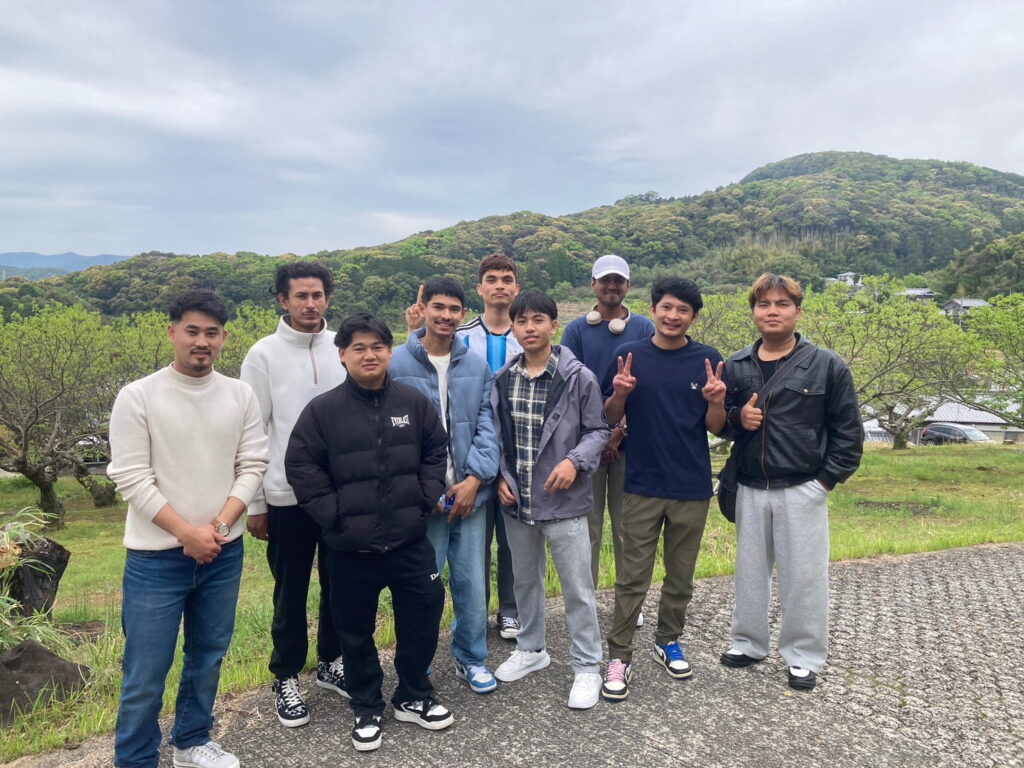
新学期のスタートにあたり、大村サテライトキャンパスの「別科英語(Bekka Eigo)」コースの学生が、諫早にある本キャンパスにて授業の一環として熊野神社への散策活動に参加しました。本授業紹介シリーズの一環として、本活動は教室での学びが実社会での経験によってどのように深められるかを示すものです。熊野神社への散策はアイスブレイクとして実施され、学生たちは春の心地よい気候の中でリラックスしながら交流を深めました。
遠足の当日、ネパールからの学生8名とスリランカからの学生1名が散策に参加しました。地域の中をゆったりと歩くことで自然な会話が生まれ、通常の教室環境とは異なる形で、より自由にコミュニケーションを取る様子が見られました。
神道の神社は日本各地に見られ、自然や巡礼と結びついた長い精神的伝統に根ざしています。実際に神社を訪れることで、学生たちは日本文化の重要な側面に直接触れ、より実感を伴った理解を深める機会となりました。
授業では、モデルダイアログの学習、描写的エッセイのライティング課題、そして会話タスクを通して、実践的な英語コミュニケーション能力の向上を目指しています。これらの活動は、学生の自信を高めながら、英語を積極的に使う姿勢の育成につながります。今回の散策で生まれたリラックスした雰囲気は、こうした学習目標の達成を後押しするものとなりました。
本活動は授業の導入としても有効に機能し、学生同士のつながりや安心感を育む機会となりました。このような経験は、教科書を超えた学びを実現し、言語能力の向上と異文化理解の深化の両面を支えます。
本学科では今後も、教室内外の学びを組み合わせた取り組みを通じて、学生の学びと成長、そして有意義な交流の機会を提供してまいります。
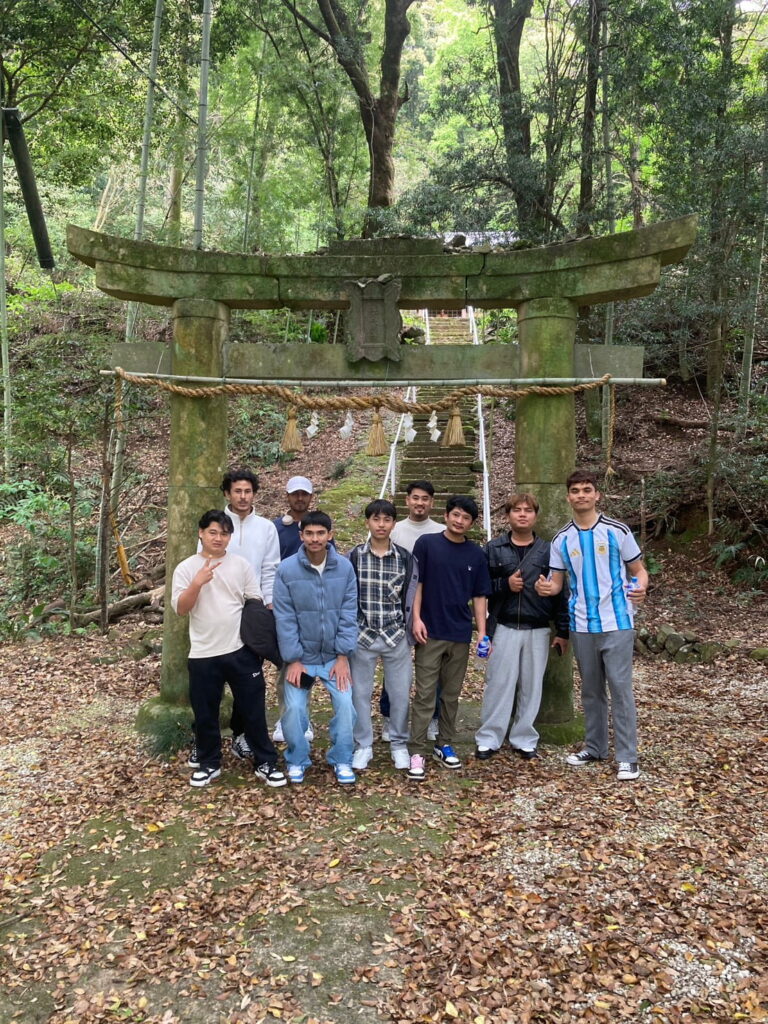
At the start of the new academic term, students from the Omura SATELLITE Campus “Bekka Eigo” course participated in a class activity held at the main campus in Isahaya. As part of the Course Spotlight Series, this activity highlights how classroom learning is supported by meaningful, real-world experiences. The walk to Kumano Shrine served as an icebreaker, giving students the chance to relax, connect, and enjoy the pleasant spring weather together.
On the day of the excursion, eight students from Nepal and one student from Sri Lanka took part in the stroll. Walking at a comfortable pace through the local area created a natural setting for conversation, helping students engage with one another more freely than in a traditional classroom environment.
Shinto shrines are found throughout Japan and are rooted in long-standing spiritual traditions connected to nature and pilgrimage. Visiting the shrine offered students a valuable opportunity to encounter an important aspect of Japanese culture firsthand, deepening their cultural awareness in an authentic context.
In class, students build their English skills through modeled dialogues, descriptive essay writing tasks, and conversation-based activities designed to strengthen communication ability while building confidence. The relaxed atmosphere of the walk supported these goals by encouraging spontaneous interaction and helping students feel more comfortable using English with their peers.
This activity served as an effective introduction to the course, fostering a sense of connection and ease that carries over into the classroom. Experiences like this demonstrate how learning extends beyond textbooks, supporting both language development and cultural understanding.
The department will continue to offer opportunities that integrate interactive learning with cultural experiences, helping students grow academically while building meaningful connections.